
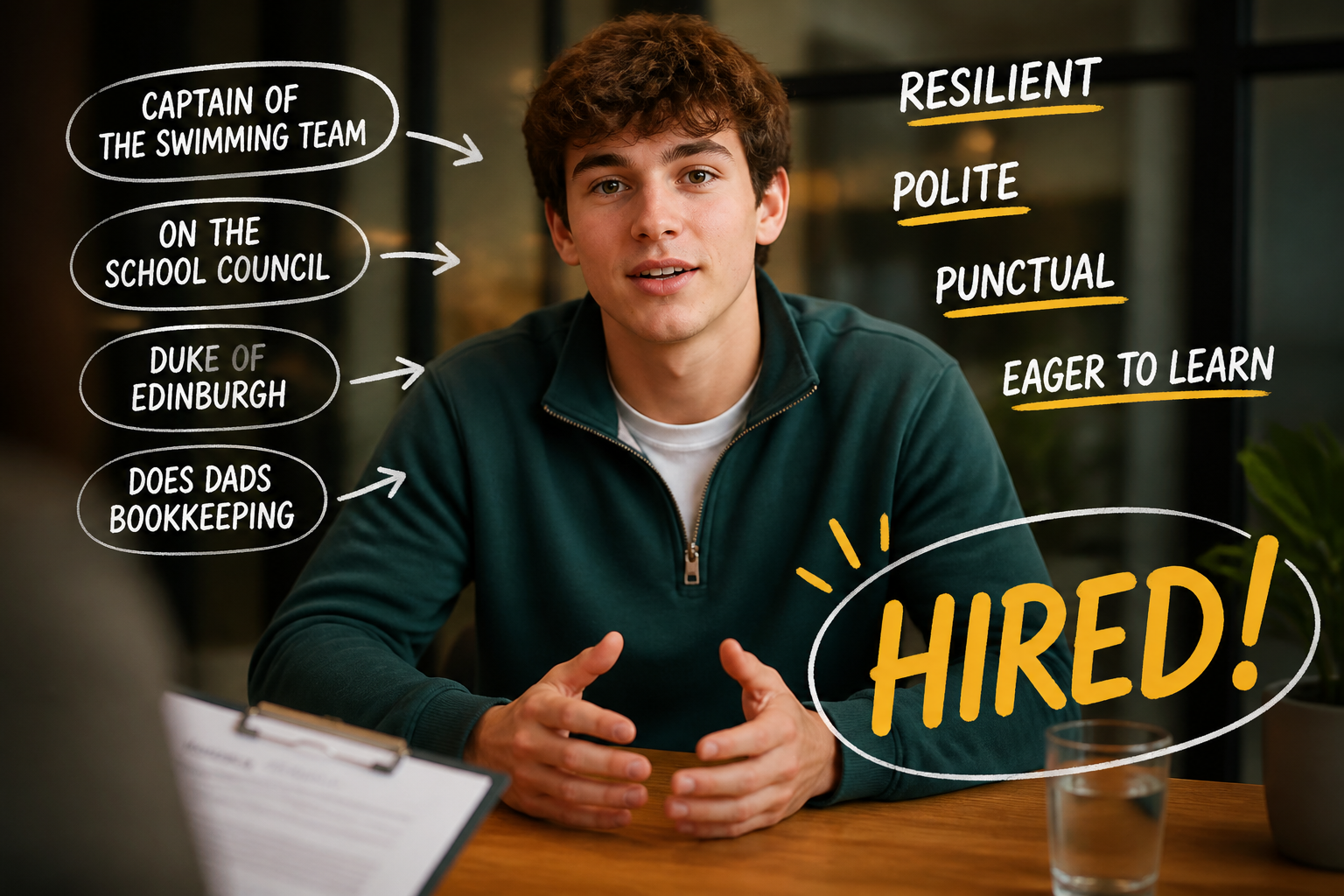
For decades, the university degree has served as the ultimate shorthand for talent in the UK. For many hiring managers, a 2:1 from a Russell Group university was the non-negotiable ticket to an entry-level interview. However, as the UK labour market tightens and the gap between academic theory and workplace reality widens, a quiet revolution is taking place. Forward-thinking employers are dismantling the "degree wall," pivoting instead toward skills-based hiring UK wide to build more resilient, diverse, and agile workforces.
Transitioning to a skills-first model isn’t just about being more inclusive; it’s about recruitment precision. By shifting the focus from where a candidate spent their last three years to what they can actually do, organisations can tap into a broader pool of school leavers and vocational talent who possess the exact competencies required for modern business.
Defining the "Skills-First" Framework
The first step in moving away from degree requirements is redefining what "qualified" looks like. In a traditional model, a degree is often used as a proxy for soft skills like time management, critical thinking, and written communication. In a skills-first model, you identify these requirements explicitly.
Start by auditing your most successful entry-level roles. What are the core cognitive abilities and technical aptitudes required? Instead of asking for a degree in a specific subject, define the specific outputs you need. For example, rather than "Marketing Degree required," look for "ability to analyse consumer data" or "proven creativity in digital storytelling." This allows you to evaluate school leavers and apprenticeship applicants on a level playing field with graduates.
Designing Competency-Based Assessments
If you remove the degree as a filter, you need a robust alternative to screen candidates effectively. This is where competency-based assessments come in. These are designed to simulate the day-to-day challenges of the role, providing a more accurate prediction of future performance than an academic transcript.
For school leaver programmes, consider using "work sample" tests. If you are hiring for a junior developer role, a short coding challenge is more revealing than a computer science degree. If you are hiring for a client-facing role, a situational judgement test or a brief presentation task can showcase communication skills and emotional intelligence. The goal is to provide candidates with a stage to demonstrate their potential, regardless of their educational pedigree.
Overhauling Your Job Descriptions and Brand
To successfully attract non-graduate talent, your employer brand must reflect your new openness. Many school leavers are self-censoring; if they see "Degree Required" or even "Degree Preferred" on a job spec, they likely won't apply, even if they have the requisite skills.
Language matters. Use clear, jargon-free English and focus on "essential skills" rather than "minimum qualifications." Highlight your commitment to training and development, making it clear that you value a growth mindset over a certificate. By explicitly stating that you welcome applications from those with equivalent experience or vocational qualifications, you signal to a diverse range of talent that your organisation is an inclusive place to build a career.
Training Your Hiring Managers
The biggest hurdle to skills-based hiring is often internal culture. Many hiring managers still feel "safer" hiring a graduate because it is what they know. To move the needle, HR leaders must provide training that addresses unconscious bias and explains the data-backed benefits of skills-first recruitment.
Show your managers that by broadening the search, they are gaining access to highly motivated individuals who are often more loyal to the company that gave them their first break. Use internal data to demonstrate that high-performing employees come from various backgrounds, and provide managers with structured interview guides that focus on evidence of skills rather than educational history.
Building the Pipeline
Moving away from degree requirements allows you to engage with the talent pipeline much earlier. Strengthen your links with local FE colleges, schools, and organisations like the Gatsby Foundation or the Career & Enterprise Company. By offering T-Level placements or Level 3 apprenticeships, you can "test-drive" talent and build a bespoke pipeline that is perfectly aligned with your business needs.
The transition to skills-based hiring UK-wide is more than a trend; it is a necessary evolution. By valuing what a person can do over where they studied, UK employers can solve their talent shortages while creating a fairer, more representative professional landscape.
Conclusion The end of the degree requirement doesn't mean the end of high standards; it means the beginning of more meaningful ones. As the UK economy continues to evolve, the most successful companies will be those that recognise talent in all its forms, prioritising potential and proven ability over traditional credentials. It’s time to stop looking at the badge on the blazer and start looking at the person behind the desk.